Maintenance Tips

Heat pump blowing cold air in Charlotte? Learn what is normal, what to check safely, and when to schedule professional HVAC service.

Orange Lions Mechanical
Publicado
Atualizado
Tempo leitura
13 min
Áudio
17 min
Ouvir o artigo
A heat pump that blows cold air can be normal during a brief defrost cycle, but persistent cool airflow often points to a setting, airflow, refrigerant, or equipment problem.
A heat pump may blow air that feels cool during normal operation because it delivers milder heat than many furnaces, and it can briefly reverse into defrost mode. If the airflow stays cold, the home cannot reach the thermostat setting, ice covers the outdoor unit, or auxiliary heat runs unexpectedly, check the thermostat, filter, open vents, and outdoor unit clearance. Do not open electrical panels or handle refrigerant. If basic checks do not restore heating, Orange Lions Mechanical provides licensed HVAC service for homes and businesses in Charlotte and the Charlotte metropolitan area, with NC License #36527.

A heat pump blowing cold air is not automatically broken. Unlike a furnace, a heat pump moves heat from outdoors into the building, so the air leaving the supply vents often feels warm rather than intensely hot. That difference is especially noticeable when someone walks past a vent or places a hand directly in the airflow.
The better question is whether the system is steadily warming the space. A healthy heat pump should make progress toward the thermostat setting, even when the air feels only moderately warm. If the home remains cold, the system runs without catching up, or the air feels distinctly colder than the room, the symptom deserves attention.
Charlotte weather can make this confusing. Damp, chilly conditions may trigger a defrost cycle, while a dirty filter or restricted return can reduce the amount of warm air moving through the house. A business may notice the same issue as uncomfortable rooms, extended equipment run time, or a thermostat that never reaches its setting.
Use the pattern, not one brief sensation, to judge the problem. Warm air that turns cool for a short period and then returns to normal may be part of ordinary operation. Cold air that continues through repeated cycles is a different situation.
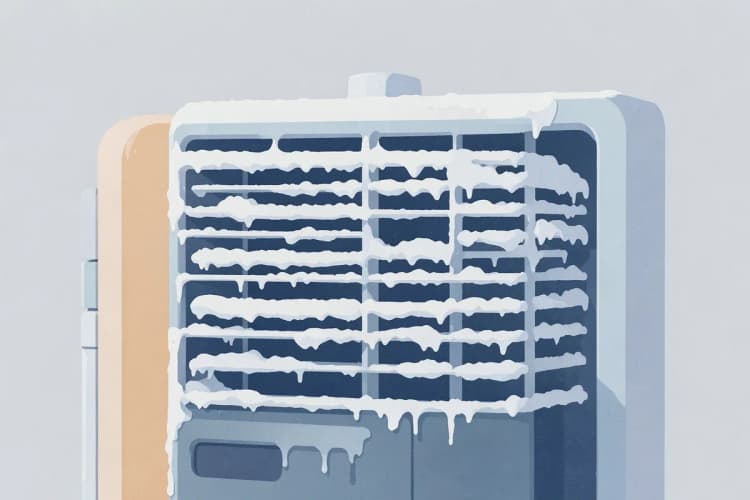
During heating, the outdoor coil can collect frost in cold, damp weather. The heat pump temporarily changes how it operates so it can clear that frost. During this defrost period, the indoor air may feel cool, the outdoor fan may pause, and you may see vapor or hear a noticeable change in sound near the outdoor unit.
That brief change does not necessarily mean the system has stopped working. The important detail is what happens afterward. The system should leave defrost mode and resume heating on its own. If the outdoor coil remains heavily iced, the unit repeatedly enters defrost, or the indoor space keeps losing temperature, the control sequence, sensor, airflow, or refrigerant circuit may need professional testing.
Do not scrape ice from the outdoor coil or pour hot water over it. Fins and refrigerant components can be damaged, and removing visible ice does not correct the reason it formed. Keep the area around the unit clear of leaves and other debris, but leave internal diagnosis to a qualified technician.
A heat pump can also feel less forceful during colder weather because the system has less outdoor heat available to move indoors. That is different from a malfunction, provided the house still maintains a reasonable setting and the equipment returns to normal after its cycle.
Refrigerant is part of the heat transfer process in both heating and cooling. When the charge is low because of a leak, the heat pump may run for long periods while delivering weak heating. You may notice that the system takes longer to approach the thermostat setting or never quite reaches it.
Other clues can include ice on the indoor coil or refrigerant tubing, reduced heating and cooling performance, and bubbling, gurgling, or hissing sounds. Ice is not proof of a refrigerant problem, however. Restricted airflow from a dirty filter can create a similar symptom, which is why the filter is a sensible homeowner check before scheduling a visit.
Adding refrigerant is not a homeowner task. Refrigerant handling requires the appropriate EPA certification, and a proper service call should determine whether there is a leak, assess the system condition, and verify the charge using the equipment specifications. Repeatedly adding refrigerant without addressing the cause can leave the system underperforming and postpone the real repair.
If the heat pump blows cold air in both heating and cooling seasons, or if performance has declined gradually, refrigerant loss becomes more important to investigate. The technician may also examine airflow and coil condition because several faults can appear together.
A thermostat that is in the wrong mode, has an incorrect setting, or is not communicating properly with the equipment can make a working heat pump appear defective. Confirm that the system is set to Heat, the desired temperature is above the current room temperature, and the fan is not set to run continuously unless that is intentional.
A continuously running fan can circulate unheated air between heating cycles. That may make the vents feel cold even when the heat pump itself is operating correctly. If the thermostat screen is blank or behaves inconsistently, replace its batteries when the model uses them and check whether the display returns to normal.
Thermostat wiring, staging, sensor calibration, and communication controls are not safe areas for trial and error. A heat pump often coordinates the outdoor unit, indoor blower, defrost controls, and auxiliary heat. Incorrect adjustments can create a new fault or cause backup heat to run when it should not.
For a business, thermostat problems may affect one zone, several zones, or a schedule that changes automatically. Note when the cold air appears and whether it follows a programmed change. That information helps the service technician separate a control issue from a refrigeration or airflow problem.
You cannot confirm low refrigerant from vent temperature alone. Look for a pattern of weak heating or cooling, unusually long run times, failure to reach the thermostat setting, ice on a coil or tubing, and unusual bubbling or hissing sounds, then have a qualified technician test the system.
Low refrigerant is a sealed-system problem, not a routine homeowner adjustment. Refrigerant does not simply get used up during normal operation. If the charge is low, the system should be evaluated for the reason, which may involve a leak or another issue affecting the refrigeration circuit.
Start by recording what the system is doing. Does it run much longer than it used to? Does the house eventually reach the setting, or does the temperature remain below it? Does the problem occur in both heating and cooling? Has ice appeared on the indoor coil, the larger refrigerant line, or another accessible part of the equipment? These observations are more useful than touching a line and guessing from how it feels.
Ice deserves careful interpretation. A dirty filter, blocked return, closed supply vents, or another airflow restriction can also lead to coil icing. Replace an overdue filter and make sure normal vents are open, but do not remove panels to inspect the coil or attempt to thaw components with tools. If ice returns after the airflow check, professional diagnosis is appropriate.
Sounds can provide another clue. Gurgling or hissing may accompany a low charge, but sound alone cannot identify the source. Fans, ducts, and normal refrigerant movement can all create noise. Record when the sound occurs and whether it changes when the system starts or stops.
A technician can evaluate airflow, operating pressures, temperature performance, electrical operation, and the condition of the refrigerant circuit. Refrigerant service must be performed by a properly certified professional. Orange Lions Mechanical handles HVAC service for residences and businesses in Charlotte and the Charlotte metropolitan area, and the company operates under NC License #36527.
Do not rely on a quick top-off as a complete solution. If refrigerant has escaped, the system may lose performance again. Ask for a clear explanation of the diagnosis and the proposed next step before authorizing work. The right repair depends on the equipment, the accessible evidence, and the location of the problem.
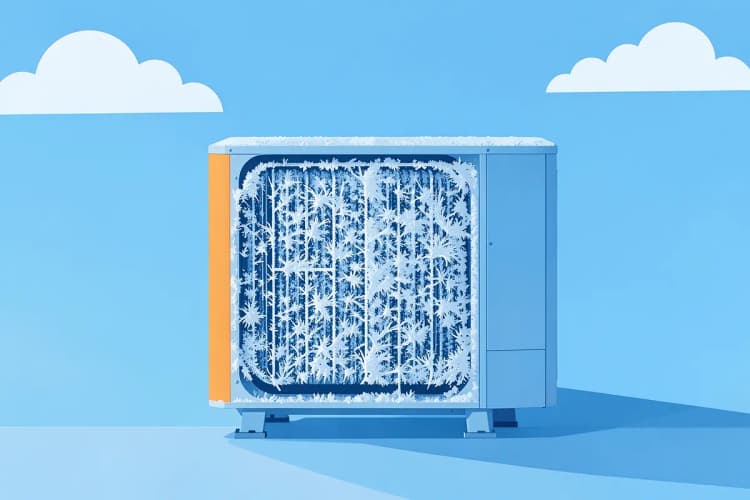
Begin with the safe checks that can change system operation without opening the equipment. Confirm the thermostat mode and setting, check the filter, open supply and return vents, and look at the outdoor unit from a safe distance. If the system returns to normal and the house begins warming, continue to monitor it rather than assuming the issue is permanently solved.
If the air remains cold, turn the system off at the thermostat and arrange HVAC service. This is especially important when the outdoor unit is heavily iced, the blower is making an unfamiliar sound, water is appearing around the indoor equipment, or a breaker has tripped. Do not repeatedly reset a breaker. Do not remove electrical covers, touch capacitors, test wiring, adjust refrigerant, or attempt to repair a reversing valve or defrost control.
For homes, note the room temperature trend, thermostat setting, filter condition, visible ice, and any change in sound. For businesses, note which rooms or zones are affected, whether doors have been open more than usual, and whether the thermostat schedule changed. Those details can shorten the diagnostic process and help distinguish a localized airflow concern from a system-wide failure.
A professional visit should look beyond the immediate symptom. The technician may assess airflow, thermostat operation, outdoor coil condition, defrost performance, refrigerant operation, electrical components, and backup heat controls. When a heat pump is older or has had repeated faults, the discussion may include whether repair remains sensible or whether replacement planning deserves consideration. Our guide on how to decide whether repair or replacement makes sense can help you prepare for that conversation.
Preventive maintenance is also useful once the immediate problem is resolved. A seasonal inspection can identify restricted airflow, coil contamination, drainage concerns, control issues, and heat pump operating problems before a cold spell exposes them. Our guide to what a thorough HVAC maintenance visit includes explains the checks that should be part of that conversation.
Orange Lions Mechanical provides HVAC and refrigeration services for residences and businesses in the Charlotte area. The company is licensed and insured, offers repair, installation, and maintenance for heating, air conditioning, ventilation, and geothermal systems, and serves commercial refrigeration equipment such as freezers and ice machines. When basic checks do not restore heat, contact the team for a professional evaluation rather than experimenting with sealed-system or electrical repairs.