HVAC Solutions

Need walk in cooler repair charlotte? Learn warning signs, safe checks, maintenance steps, and when to schedule licensed commercial refrigeration service.

Orange Lions Mechanical
Publicado
Atualizado
Tempo leitura
20 min
Áudio
26 min
Ouvir o artigo
Walk-in coolers keep food, ingredients, and inventory at dependable temperatures. When performance changes, early clues can help you protect the box and arrange qualified service in Charlotte.
Quick answer
A walk-in cooler that runs warm, collects unusual moisture, makes a new sound, or develops an odor needs prompt attention. Start with safe observations: confirm the door closes, check the gasket, keep product away from air paths, note the temperature, and look for blocked grilles or visible ice. Do not remove covers, reach into fans, alter drains, reset a repeatedly tripping breaker, or handle refrigerant and electrical components. Orange Lions Mechanical provides HVAC and commercial refrigeration service for Charlotte and nearby service areas, with licensed professionals available to assess the equipment and explain the next step.

A walk-in cooler is an insulated refrigerated room designed to hold temperature-sensitive products in a larger enclosed space than a standard reach-in cabinet. It combines an insulated enclosure, a door and gasket system, an evaporator inside the room, and a condensing system that removes heat.
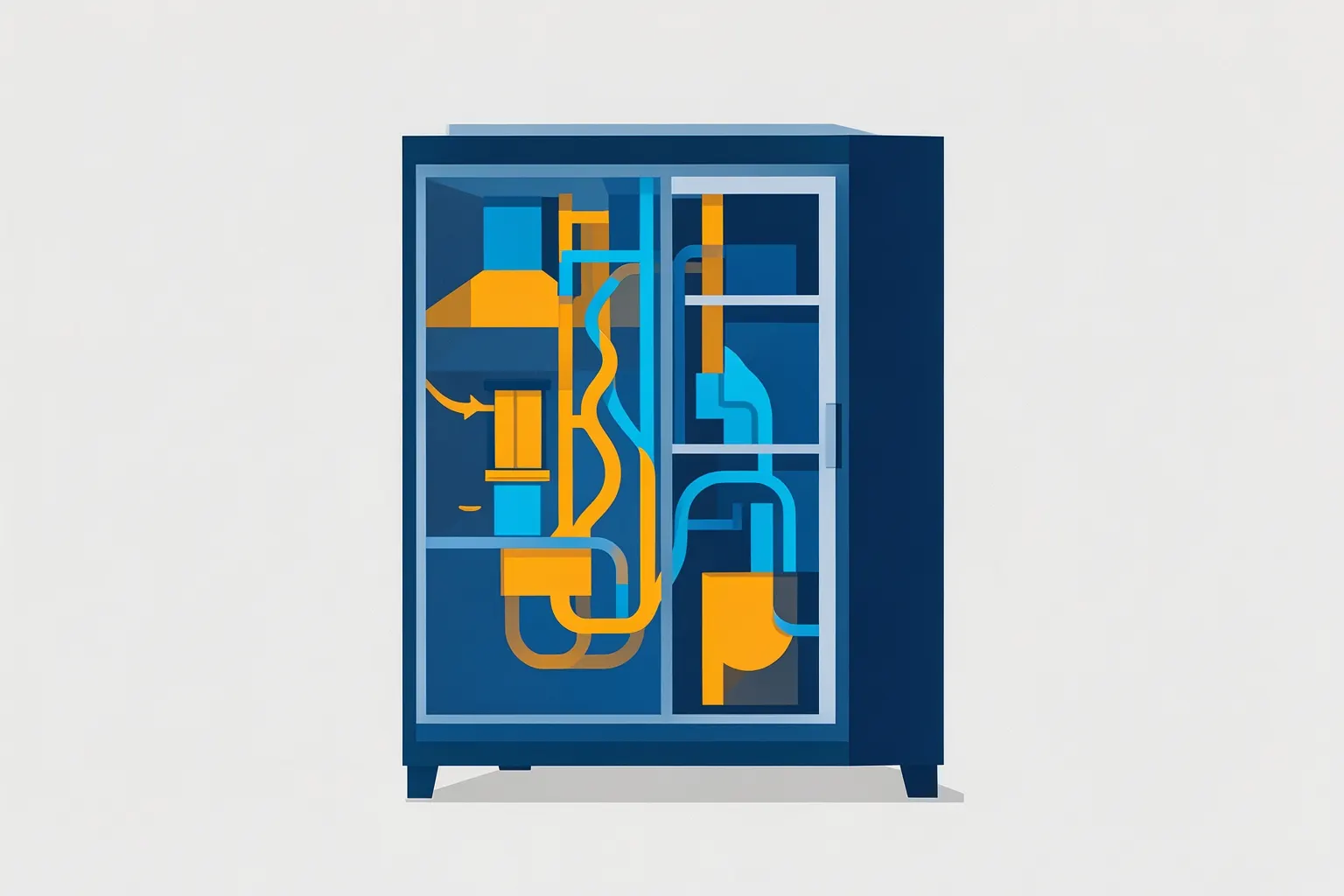
A walk-in cooler is more than a large cold room. Its panels, floor, ceiling, door, seals, lighting, airflow, drainage, controls, evaporator, and condensing equipment work together as one refrigeration system. If one part performs poorly, the entire enclosure can drift from its normal operating condition.
Restaurants, markets, convenience businesses, florists, food preparation spaces, and other commercial properties use walk-ins because they need organized storage and reliable access. Some homes and specialty properties may also have larger refrigerated spaces, but the same basic principle applies: the enclosure must keep heat out while the refrigeration equipment removes heat from inside.
The cold air does not stay effective simply because the compressor runs. Air must circulate around stored products, the door must close and seal, moisture must leave through the intended drainage path, and the outdoor or remote condensing equipment must reject heat. A cooler can therefore appear to be running while still losing performance.
In Charlotte, warm outdoor conditions and humid air can make small enclosure problems more noticeable. Frequent door traffic, a damaged gasket, blocked grilles, or a dirty condensing area can increase the load on the system. Orange Lions Mechanical approaches walk-in service by looking at the refrigeration equipment and the conditions around it, not just the thermostat setting.
Common walk-in cooler problems include unstable temperature, unusual noise, condensation or moisture, and persistent odors. Each symptom has several possible causes, so observation is useful, but a symptom alone does not prove which component has failed.
Temperature fluctuation is often the first sign that a walk-in needs attention. The change may appear after busy periods, during warmer weather, or when the door is opened repeatedly. It can also show up as longer run cycles, product that feels less consistently chilled, or a box that recovers slowly after access.
Blocked airflow, dust on the condenser, frequent door openings, and air leakage around the enclosure can reduce cooling performance. These conditions make the system work harder while allowing the room to gain heat faster than it should. Product stacked too close to the evaporator can also interfere with circulation inside the box.
Begin with safe observations. Check the setpoint, keep both air paths clear, close the room door, and record the room temperature using the facility's normal monitoring method. Do not lower the setpoint repeatedly to compensate for a cooling problem. That action can hide the underlying issue and place additional demand on equipment that may already be struggling.
If the temperature continues to move away from its normal range, document when the change began, whether the door was busy, and whether the condenser or evaporator sounded different. That information helps a technician separate a load problem from a refrigeration, airflow, control, or enclosure problem.
Every refrigeration system makes operating sounds, but a new or sharply louder sound deserves attention. Humming, rattling, buzzing, squealing, grinding, or repeated starting attempts can indicate that the equipment is no longer operating normally.
Loose exterior trim, restricted airflow, or a component fault may cause a change in sound. Unusual noises in a walk-in cooler can also point toward a broken fan, damaged motor, or compressor issue. The location matters: a sound inside the cooler may involve the evaporator area, while a sound outside may come from the condensing equipment or its enclosure.
Keep objects away from grilles and listen from a safe position. If there is grinding, smoke, or a burning smell, disconnect power only if you can do so safely without opening equipment panels or reaching into the machinery. Do not remove covers, touch moving parts, or reach into fans. Describe the sound, its location, and whether it occurs at startup or during a running cycle when requesting service.
A short recording from a safe distance can help communicate the symptom, provided the area is safe and the recording does not delay protecting stored products. A technician still needs to inspect the equipment directly before identifying the failed part.
Moisture on the floor, walls, ceiling, door, or around the evaporator can indicate that humid air is entering the enclosure or that water is not leaving through the intended drainage path. Condensation may be more noticeable after frequent access, during humid weather, or when the door does not seal completely.
Humid air entering the room, gaps around the door or unit, and drainage problems can contribute to moisture. A damaged or hardened door gasket can also allow warm air and moisture into the enclosure. Once humid air enters, it can condense on cold surfaces and create recurring wet spots even when the refrigeration equipment is still running.
Look for visible gaps and keep the door closed. Note where the moisture appears, whether it returns after cleaning, and whether it is concentrated near the door, drain, evaporator, or enclosure seam. Do not modify the drain or drill into the cooling unit. Those actions can damage equipment or create a larger service problem.
Door-gasket replacement may be available depending on the door design and parts availability. A service call should also consider the alignment of the door, the condition of the frame, drainage, airflow, and the operating condition of the refrigeration system rather than treating every moisture mark as a gasket issue.
An unpleasant odor may come from spilled product, residue, standing water, a contaminated drain area, packaging, or a problem with airflow and moisture control. Odor is often a condition inside the enclosure, but it can also be a clue that moisture is collecting where it should not.
Start with a visual check of accessible surfaces and stored products. Look at corners, beneath shelving, around the door threshold, and near the drainage area without removing panels or disturbing mechanical components. Remove spoiled or leaking product according to the business's own handling procedures, clean safe surfaces, and keep the door closed as much as practical.
If the odor returns after cleaning, investigate the pattern instead of masking it with fragrance. A recurring smell near a drain, evaporator, or wet insulation area should be reported to a technician. Persistent moisture can affect enclosure materials and may point to a drainage, seal, or refrigeration issue.
Tell the service provider whether the odor is sour, musty, burnt, chemical, or related to a particular product. A burnt smell, smoke, or odor associated with abnormal noise should be treated as a more urgent equipment concern. Do not open electrical compartments or attempt to identify a refrigerant or motor problem by touch.
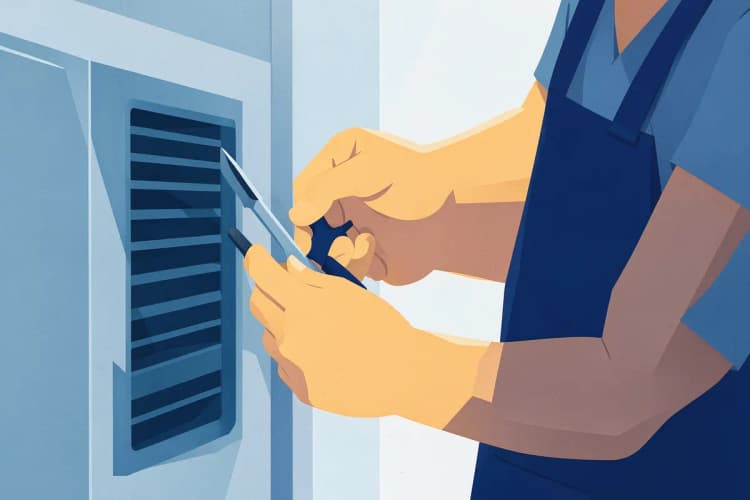
A useful visual inspection is deliberate and limited to areas that staff can observe safely. Begin with the door. Confirm that it closes fully, latches normally, and appears aligned with the frame. Inspect the gasket for tears, flattening, hardening, or visible gaps. A seal that looks intact from one angle may still leak at a corner or along the bottom edge.
Look at the evaporator area inside the box without removing any cover. Note visible ice, blocked air paths, heavy frost, water, or objects stored too close to the fan or coil. Do not chip ice from a coil. A sharp object can puncture refrigeration tubing and turn a manageable service call into a more serious failure.
Check the condenser area from a safe position. Dust, grease, leaves, or other debris can restrict heat rejection. Keep objects away from grilles, but do not pressure wash, bend fins, remove guards, or reach into a fan. If the condenser is in a hot or poorly ventilated location, record that condition for the technician.
Inspect the enclosure for gaps around the door frame, panels, floor, ceiling, and service penetrations. Also note water locations. Moisture at the door suggests a different line of investigation from moisture beneath an evaporator or near a drain. Photographs can help, provided staff do not enter an unsafe area or delay moving vulnerable inventory.
For businesses, a simple service log is valuable. Record the time of the observation, the displayed temperature, product concerns, door activity, unusual sounds, visible ice, and the action taken. That history gives the technician a clearer starting point and helps identify intermittent issues that may not be present during arrival.
Listen before touching anything. Stand outside the enclosure and then inside only when the area is safe and access is necessary. Compare the current sound with what the cooler normally makes. A new rattle may come from trim or a loose panel, while a grinding or squealing sound can suggest a moving component problem.
Pay attention to whether the sound is continuous, intermittent, tied to startup, or linked to a door opening. A compressor that struggles to start, a fan that changes speed, or a vibration that grows louder can all provide useful diagnostic clues. These observations do not identify the repair by themselves, but they help the technician understand the failure pattern.
If the sound is accompanied by smoke, burning odor, grinding, or a repeated electrical interruption, stop using the equipment if safe and arrange professional service. Do not repeatedly reset a breaker or control. Do not remove covers, test live electrical parts, hold a fan blade, or attempt to quiet the equipment with improvised restraints.
When contacting Orange Lions Mechanical, describe the sound in plain language and identify where it comes from. Mention whether the cooler is still holding temperature, whether the sound began suddenly, and whether there are signs of ice, water, or a damaged seal. Clear notes can shorten the time needed to evaluate the problem.
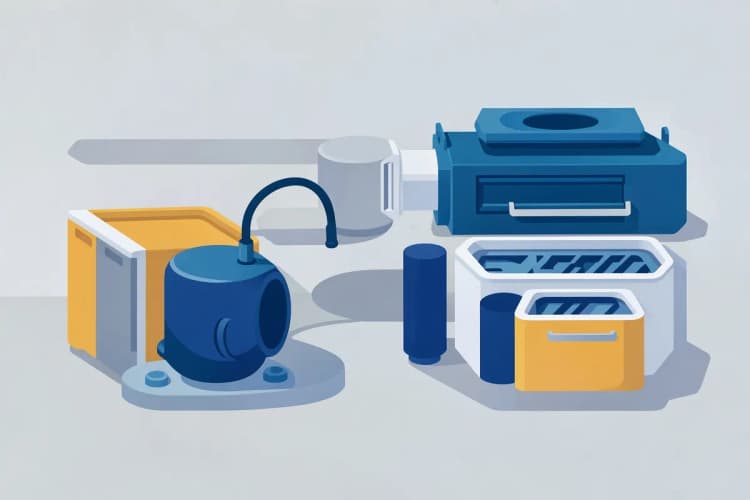
Electrical problems can stop a walk-in cooler even when the enclosure, product load, and door appear normal. Possible trouble areas include controls, wiring, disconnects, overload protection, contactors, motors, and other electrical components. Because these parts can remain energized or hold dangerous energy, they are not homeowner or staff repair items.
Safe checks are limited to observing whether the equipment has power, looking for obvious external damage, and checking whether a breaker or disconnect has changed position. If a breaker trips again after a single reset, leave it alone and request service. Repeated resets can worsen a fault or create a hazardous condition.
Smoke, a burning odor, scorch marks, buzzing, or heat around an electrical enclosure should be treated seriously. Keep people away from the area and disconnect power only when doing so is safe and does not require opening a panel. Do not remove covers, replace electrical parts, tighten wires, bypass a safety, or work inside a control box.
A licensed technician can test the electrical circuit, controls, motors, and protective devices with the proper equipment. The goal is not simply to restore operation, but to determine why the component failed and whether another condition, such as restricted airflow or a failing motor, contributed to the event.
Mechanical failure can affect fans, motors, compressors, belts where present, door hardware, hinges, gaskets, dampers, and other moving or structural parts. A broken fan or damaged motor may reduce airflow. A failing compressor may create unusual sound, extended run time, or a gradual loss of cooling. A worn gasket can allow warm humid air to enter even when the refrigeration circuit is operating.
The visible symptom does not always identify the failed component. Excessive noise may be caused by a loose exterior trim piece, restricted airflow, or a component fault. A cooler that runs constantly may have a mechanical problem, but it may also be dealing with open doors, poor sealing, a blocked condenser, excessive heat entering the room, or a product load that overwhelms available capacity.
Staff can keep air paths clear, confirm the door closes, observe the gasket, and document sound or temperature changes. They should not remove fan guards, lubricate inaccessible parts, adjust controls inside the equipment, dismantle motors, or attempt to repair the sealed refrigeration system.
Refrigerant handling, leak testing, recovery, charging, compressor work, and other sealed-system tasks require qualified professional service. Gas valves are outside the scope of a walk-in cooler check and should never be adjusted by an unlicensed person. Orange Lions Mechanical provides commercial refrigeration service in Charlotte, with licensed professionals equipped to inspect the cause rather than guessing from one symptom.
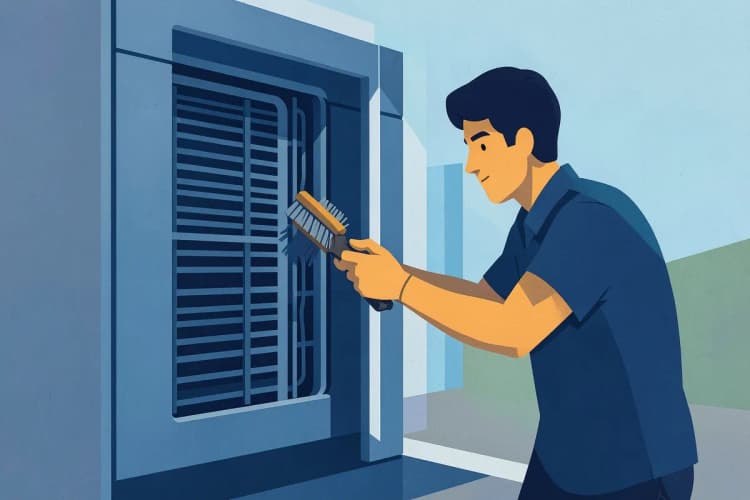
Cleaning supports reliable operation, but it must be done with attention to the equipment. Keep floors, shelving, walls, door surfaces, and accessible areas free of spills and residue. Follow the business's food handling procedures for removing products, selecting cleaning materials, and allowing surfaces to dry before restocking.
Keep the evaporator's air path clear. Do not stack cartons or containers against the coil, fan guard, or discharge path. In the condensing area, remove loose debris from around the equipment only when it can be done without touching electrical parts, fans, fins, or guards. Grease and heavy buildup should be reported for professional cleaning and inspection rather than attacked with risky methods.
The door gasket deserves regular attention. Wipe away residue that prevents a full seal, then inspect for tears, hardening, and gaps. A gasket that cannot seal may need replacement, subject to the door design and parts availability. Keeping the enclosure clean will not correct a damaged gasket, a drainage fault, or a refrigeration failure, so recurring symptoms should be logged.
Avoid drilling, scraping coils, bending fins, spraying liquid into electrical compartments, or using force around panels and guards. A cleaning task should improve access and hygiene without changing the equipment. If an area cannot be cleaned safely without disassembly, schedule a technician.
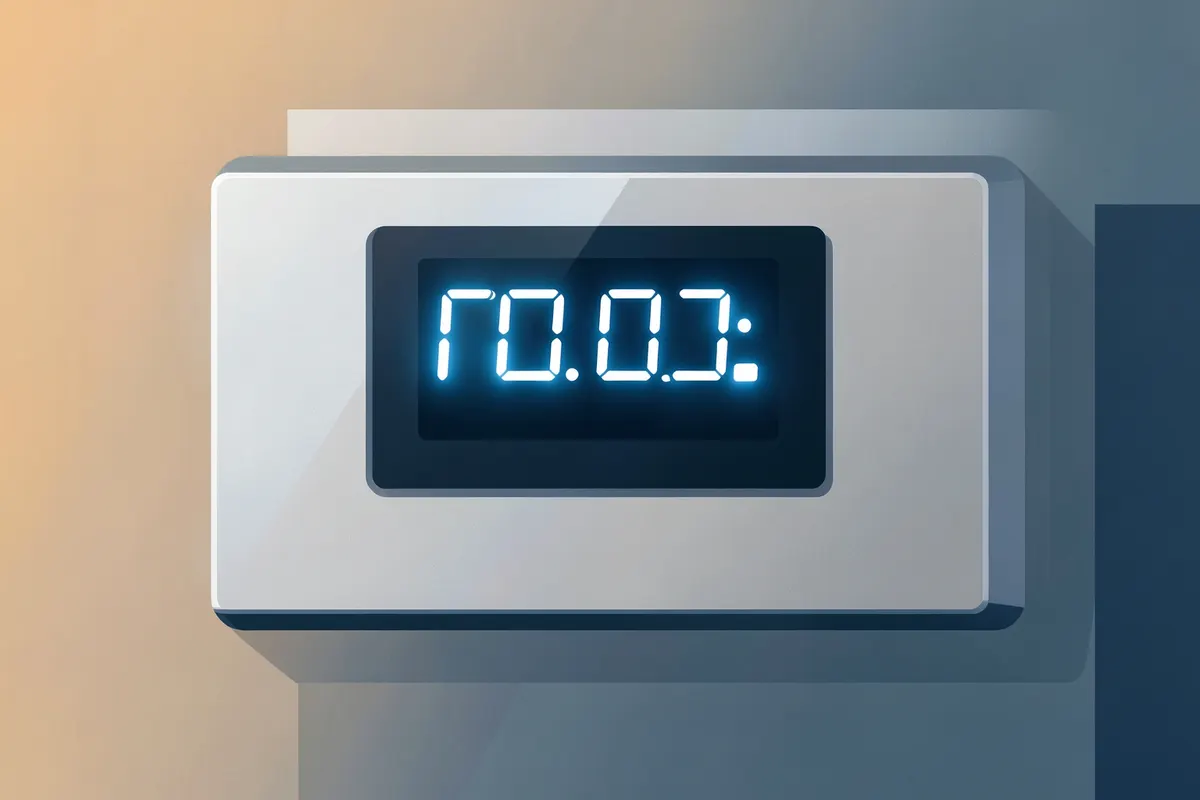
helps you notice a problem before the cooler has been warm for an extended period. Use the property's normal monitoring process and record readings consistently. Compare the current condition with the cooler's established operating range rather than changing the setpoint whenever a reading looks unusual.
When a reading changes, note the time, door activity, product movement, weather conditions, visible ice, and whether the equipment sounds normal. Check that the door is closed and that product is not blocking air paths. If the room is warm, move vulnerable items according to the business's food safety plan and minimize door openings while arranging service.
Do not lower the setpoint repeatedly to force a struggling cooler to recover. That does not repair restricted airflow, a damaged seal, a blocked drain, a failed motor, or a sealed-system problem. It can also make the symptom harder to interpret when the technician arrives.
Monitoring is most useful when it leads to a clear decision. A single unusual reading deserves confirmation and observation. A continuing trend, repeated alarm, or visible product concern deserves prompt professional evaluation. Keep the log available for the service visit so the technician can connect the symptom to operating conditions.
Call for professional service when the cooler cannot hold its normal temperature, a breaker trips again, a component makes grinding or abnormal sounds, smoke or a burning odor appears, ice blocks the evaporator, moisture returns, or safe checks do not explain the problem. Choose a licensed refrigeration provider that can inspect the equipment, explain the finding, and work within the local service area.
A walk-in cooler needs a technician when its performance is no longer dependable, even if it still runs. Persistent temperature drift, long recovery after door access, repeated alarms, unusual cycling, or product that is not staying at its expected condition are reasons to arrange an inspection. Waiting for a complete shutdown can make product protection and scheduling more difficult.
Electrical warning signs require special caution. A breaker that trips again, smoke, scorch marks, a burning smell, or buzzing from a control area is not a do-it-yourself repair. Keep clear of the equipment and do not open covers. If the area presents an immediate danger, follow the property's emergency procedures before contacting a service provider.
Mechanical warning signs include grinding, squealing, severe vibration, a fan that is not operating normally, or a compressor that hums without starting. A walk-in cooler can also need service when ice repeatedly forms, moisture returns after cleaning, a gasket no longer seals, or an odor continues despite removing the source and cleaning accessible surfaces.
Before the call, gather the location, equipment type, symptom, time the issue began, recent changes in door use or product loading, displayed temperature, visible water or ice, and any sound description. Tell the provider whether the equipment is fully stopped or still running. Do not add refrigerant, alter a drain, bypass a control, or attempt electrical work while waiting.
Orange Lions Mechanical serves Charlotte for HVAC and commercial refrigeration needs. The company is licensed and insured, holds NC License #36527, and offers service for businesses and residences in the Charlotte metropolitan area.
A reliable service choice begins with scope. Confirm that the provider handles commercial refrigeration and walk-in coolers, not only general comfort equipment. Ask whether the technician will diagnose the cause, inspect related airflow and enclosure conditions, and explain which work is necessary before proceeding.
Licensing and safety matter because refrigeration service can involve electrical components, motors, controls, and refrigerant. Look for a licensed professional who understands the limits of safe customer checks and does not ask staff to open panels, handle refrigerant, bypass safeties, or make electrical repairs. A professional process should protect people, equipment, and stored products.
Communication is another useful test. A good service conversation should capture the symptom, the operating condition, and the urgency. The technician should explain the observed failure in clear language, distinguish immediate action from maintenance recommendations, and provide the next step after inspection. Be cautious of anyone who promises a diagnosis without seeing the equipment or pushes repeated temporary adjustments without addressing the cause.
Orange Lions Mechanical provides HVAC and refrigeration services in Charlotte and the surrounding metropolitan area. Its team is prepared to serve residential and business customers with professional HVAC and commercial refrigeration work.
When you call, share your temperature log, photos of safe exterior observations, and any sound recording made from a safe distance. Keep doors closed, protect inventory according to your operating procedures, and leave technical work to the licensed technician. That combination gives the service visit a clearer starting point and reduces the temptation to make an unsafe repair attempt.
Common early signs include temperature fluctuations, longer recovery after door access, unusual noise, recurring moisture, visible ice, a damaged gasket, and odors that return after cleaning. Document what you observe and arrange professional service if the condition continues.
You can perform safe observations such as checking the door, gasket, visible airflow, product arrangement, external debris, and the displayed temperature. Do not remove covers, reach into fans, handle refrigerant, alter drains, replace electrical parts, or repeatedly reset a tripping breaker.
A new noise may come from loose trim, restricted airflow, a fan, a motor, or a compressor issue. Note where and when the sound occurs. Grinding, smoke, or a burning odor calls for stopping the equipment when safe and arranging professional service.
Humid air entering through a gap, a damaged gasket, poor door closure, or a drainage problem can cause condensation. Keep the door closed, note where the moisture appears, and do not modify the drain or drill into the unit.
No. Repeatedly lowering the setpoint does not correct restricted airflow, a sealing issue, a drainage problem, or equipment failure. Check safe conditions, protect stored products, record the temperature, and request service if the problem continues.
Treat a problem as urgent when temperature is continuing to rise, product is at risk, the cooler stops, a breaker trips again, or you notice smoke, burning odor, grinding, or severe abnormal noise. Keep the door closed and contact a licensed technician.
Yes. Orange Lions Mechanical provides HVAC and commercial refrigeration service for residences and businesses in Charlotte and its stated service area, including walk-in cooler service. The company is licensed and insured and holds NC License #36527.
Share the location, symptom, time it began, displayed temperature, door activity, product loading changes, visible ice or moisture, and unusual sounds. Safe photographs and a temperature log can also help the technician begin the inspection efficiently.