HVAC Solutions

Learn when HVAC system repair makes sense in Charlotte, what affects the decision, and how to choose a practical next step for your system.

Orange Lions Mechanical
Publicado
Atualizado
Tempo leitura
17 min
Áudio
22 min

Ouvir o artigo
HVAC system repair can restore comfort without rushing into replacement. For Charlotte homes and businesses, the right decision starts with symptoms, system age, repair scope, and a professional diagnosis.
Quick answer
HVAC system repair is usually worth considering when the equipment is relatively young, the fault is isolated, and the repair restores reliable operation. Replacement deserves closer attention when the system is older, repairs are recurring, efficiency is declining, or a major component has failed. The commonly cited $5,000 rule multiplies age by estimated repair cost, but it is only a screening tool. A licensed professional should inspect the equipment, explain the failed part, and compare repair with replacement based on condition, efficiency, and expected service life. Orange Lions Mechanical provides HVAC and commercial refrigeration services for homes and businesses in Charlotte and nearby communities, with NC License #36527.
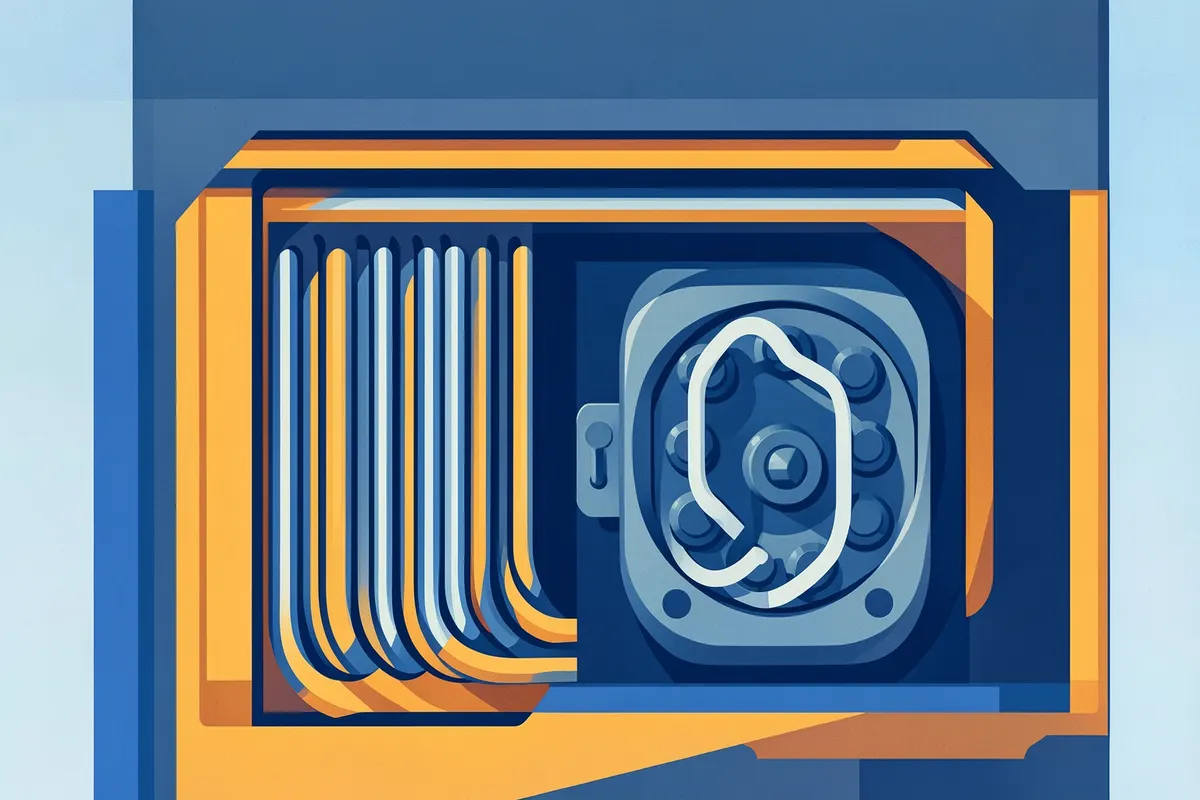
An HVAC system heats, cools, moves, filters, and manages air within a building. Depending on the property, it may include heating equipment, an air conditioner, heat pump, ductwork, ventilation components, controls, and related refrigeration equipment.
HVAC stands for heating, ventilation, and air conditioning. In a home, the system is responsible for conditioning indoor spaces through a connected group of equipment rather than through one isolated appliance. In a business, the setup may also support commercial refrigeration, freezers, or ice machines when those services are part of the property’s operations.
A typical central system has an indoor section, an outdoor section, air distribution paths, controls, and safety components. The exact arrangement depends on the building, the selected system type, and whether the property uses a furnace, air conditioner, heat pump, geothermal equipment, or another configuration. Good diagnosis begins by understanding how these parts work together.
For a homeowner or facilities manager, the useful question is not simply whether a unit is running. It is whether the complete system is delivering the expected heating or cooling, operating safely, and responding consistently to its controls. A fault in one part can affect comfort, airflow, electrical demand, or the performance of connected components.
Orange Lions Mechanical approaches HVAC system repair as a system-level service for residences and businesses in Charlotte. Its services include repair, installation, and maintenance for heating, air conditioning, ventilation, geothermal systems, and commercial refrigeration equipment.
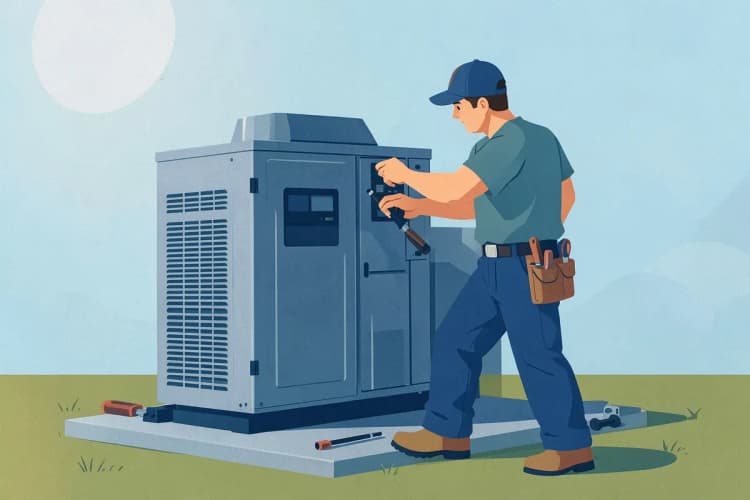
Common HVAC repairs involve loss of cooling or heating, restricted airflow, control problems, unusual sounds, water around the equipment, short cycling, and failures in motors or other operating components. The visible symptom is often not the failed part. For example, a system that does not cool may have a control issue, airflow restriction, refrigerant problem, or a component that is no longer operating correctly.
Water near an air conditioner deserves attention because a leaky system can be associated with a clogged or blocked drain pipe, a faulty pump, or a damaged condensate drain line. A homeowner can look for obvious standing water, confirm that the surrounding area is safe, and arrange service. Clearing internal passages or replacing a pump should be left to a qualified professional.
Loud operation can also have several causes. Loose connections, worn or faulty fan motors, and dirt or debris can contribute to unusual air conditioner noise. Do not remove panels or reach into moving equipment to investigate. Record when the sound occurs, whether it changes with the heating or cooling cycle, and whether the system still responds to the thermostat.
Some homeowner checks are reasonable before requesting service. Confirm that the thermostat is set to the desired mode, check that the system has power at its normal user controls, make sure supply and return vents are not intentionally blocked, and inspect the accessible filter according to the equipment instructions. If the filter is visibly loaded, replace it with the correct type. These checks do not replace diagnosis.
Refrigerant circuits, gas valves, combustion areas, capacitors, wiring, control boards, and other electrical parts require licensed service. Do not open sealed refrigeration components, release refrigerant, bypass a safety control, adjust a gas valve, or attempt electrical testing. These actions can create safety risks and can make the original fault harder to diagnose.
For a business, the same symptoms can have operational consequences. A temperature problem in a conditioned space may be linked to an HVAC fault, while a problem with a freezer or ice machine may involve commercial refrigeration equipment. Write down the affected area, the time the issue began, any alarms shown by the equipment, and whether the problem is constant or intermittent. That information helps a technician work more efficiently.
The $5,000 rule is a screening formula: multiply the system’s age by the estimated repair cost. CBS News describes the rule of thumb as a result above $5,000 often favoring replacement as the longer-term choice. It is not a diagnosis, a quote, or a substitute for evaluating the condition of the equipment.
The rule can be useful because it combines two practical concerns. An expensive repair is harder to justify on an older system, especially when other parts may also be near the end of their service life. On newer equipment, the same repair may be more reasonable if the rest of the installation is sound and the repair addresses an isolated failure.
Use the formula only after a technician identifies the failed component and explains the proposed work. An estimate should be connected to a specific diagnosis, not to a guess based on a symptom. Ask what caused the failure, whether related parts show deterioration, whether the system can be tested after the repair, and what replacement would change in terms of capacity, efficiency, controls, and installation requirements.
The formula also does not capture every business concern. A commercial property may need to consider product protection, operating schedules, tenant requirements, access to equipment, and the effect of downtime. A residence may place more weight on dependable comfort, noise, and the likelihood of future service calls. Those factors can make replacement sensible even when the formula alone does not cross its threshold.
The cost to repair an AC cannot be determined responsibly without inspecting the equipment and identifying the failed component. ServiceTitan reports professional HVAC repair costs ranging from $130 to $2,000, with an average repair cost of $350, but an individual Charlotte property requires its own diagnosis and scope of work.
ServiceTitan’s 2026 HVAC statistics page reports a professional repair range of $130 to $2,000 and an average repair cost of $350. Those figures describe a broad market view, not a guaranteed price for a particular home or business. The final amount depends on the equipment, access, failed part, labor involved, safety requirements, and whether the repair addresses a larger underlying problem.
A proper service visit should connect the price discussion to a finding. Ask which component failed, what evidence supports that conclusion, what work is included, and whether the equipment will be tested after the repair. If the system has more than one issue, ask which item affects operation now and which items can be monitored. Clear answers make it easier to compare repair with replacement without choosing from an unexplained figure.
Do not judge a repair only by the price of the part. A small component can require careful diagnosis and safe installation, while a seemingly simple symptom can point to a larger system issue. Refrigerant handling, gas equipment, electrical parts, and sealed system work are not homeowner projects. Orange Lions Mechanical is licensed and insured, serves residential and commercial customers, and operates under NC License #36527.
For a company managing a property, request documentation that identifies the affected equipment and the work performed. This creates a useful maintenance record and helps reveal whether the same system is producing repeated service calls. For a homeowner, keep the model information, service notes, and symptoms together so later decisions are based on the equipment’s history rather than memory.
Repairing an air conditioner is often worth considering when the system has a manageable, isolated fault, the equipment is otherwise in good condition, and the repair is expected to restore dependable operation. Replacement becomes more compelling when the equipment is old, failures keep returning, efficiency has declined, or the repair involves a major part with other concerns nearby.
The best answer comes from comparing the immediate repair with the condition of the complete installation. A technician should evaluate airflow, controls, coils, electrical components, refrigerant performance, drainage, and the general condition of accessible equipment. The purpose is not to push one outcome. It is to understand whether the repair solves the problem or only postpones a larger decision.
Housecall Pro’s 2026 HVAC data reports that repair work represented 88% of HVAC jobs in the first quarter of 2026. That figure shows how commonly repair is part of HVAC service, but it does not mean every individual system should be repaired. A high repair share in the market cannot replace a property-specific inspection.
A practical decision conversation includes three paths: repair now, monitor a noncritical concern while planning, or replace after confirming that the current system no longer fits the property. If the system is unsafe, cannot maintain the required conditions, or has a major failure combined with advanced age, delaying the decision may create more disruption. Ask the technician to explain the reasoning in plain language so the choice remains yours.
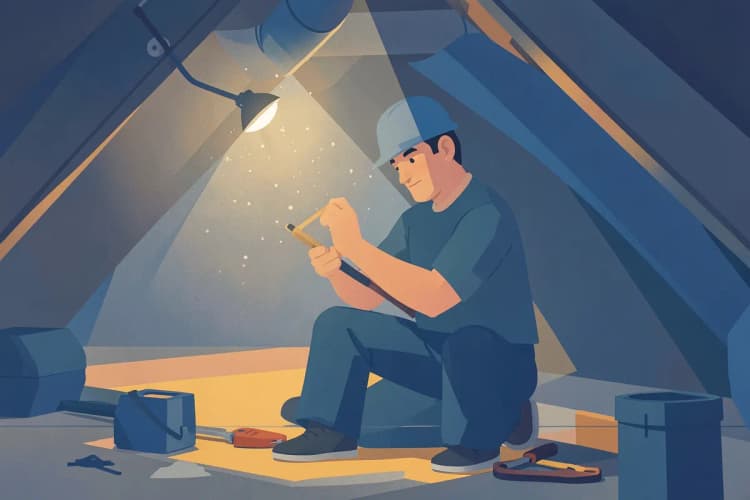
Replacement is worth serious consideration when an HVAC system is beyond its expected service stage, needs frequent repairs, no longer performs consistently, or has efficiency problems that make continued operation difficult to justify. The decision should follow a professional evaluation of condition, safety, capacity, and future reliability.
Frequent service calls are one of the clearest warning signs, particularly when each repair addresses a different aging component. Other signs include uneven temperatures, repeated loss of heating or cooling, persistent noise, poor airflow, moisture problems, rising energy bills, and a system that struggles to meet the thermostat setting. A single symptom does not prove replacement is necessary, but a pattern deserves a complete review.
ENERGY STAR advises considering replacement for a heat pump or air conditioner when it is more than 10 years old, especially when repairs are frequent and energy bills are rising. ENERGY STAR gives a more than 15 year benchmark for considering replacement of a furnace or boiler under similar conditions. These are useful planning points, not automatic deadlines.
A replacement discussion should also consider whether the existing system is correctly sized for the building, whether ductwork and airflow support the equipment, and whether the controls match the property’s needs. Installing new equipment without addressing related system conditions can leave the underlying performance problem unresolved. For a commercial site, the review should include the operating schedule and the importance of each conditioned or refrigerated area.
If the equipment stops working during a demanding season, focus first on safety and diagnosis. Shut the system down if it is making a dangerous sound, producing a burning odor, showing a gas-related concern, or creating significant water around electrical equipment. Contact a licensed HVAC professional rather than attempting to investigate internal components.
There is no single service life that applies to every HVAC system. Longevity depends on equipment type, installation quality, operating hours, maintenance history, climate exposure, airflow, load, and the severity of past failures. A well-maintained system can remain useful for years, while a heavily used or poorly matched installation may become unreliable sooner.
Age should be interpreted with condition. A system that has reached an age where replacement is being considered may still justify repair if the failure is isolated and the equipment remains sound. Conversely, a younger system can require replacement if it has a serious defect, repeated failures, or a capacity and installation problem that cannot be resolved economically.
Maintenance helps create a record of system performance. ServiceTitan says most systems need service at least annually, while split systems and heat pumps are recommended for preventive maintenance twice annually. Maintenance does not prevent every failure, but it can reveal developing concerns and give the owner more time to plan rather than making a decision during an emergency.
For a business, track service dates, recurring faults, operating complaints, and equipment downtime. For a home, note when rooms stop reaching the desired setting and whether the issue returns after service. Those records help a technician distinguish a one-time repair from a broader replacement pattern.
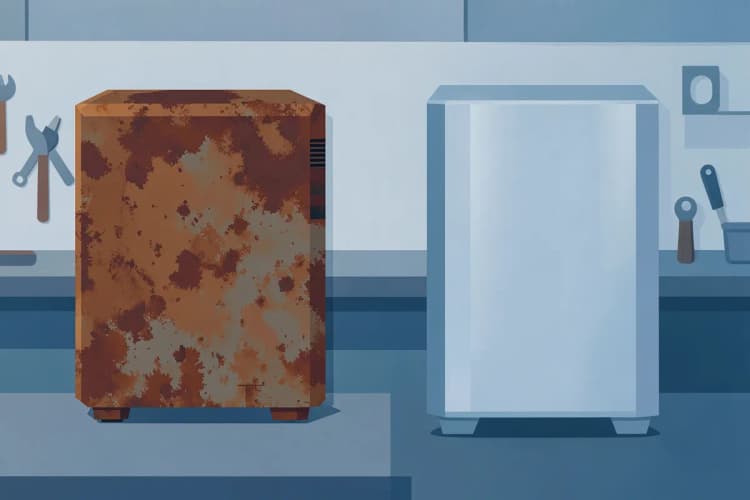
Age changes the balance between repair and replacement because older equipment may have more wear across several components. The question is not simply whether the system still runs today. It is whether the equipment can provide dependable service, whether parts and support remain practical, and whether another failure is likely to interrupt the property again.
For a newer installation, an isolated failure may point toward repair after diagnosis. For an older installation with repeated faults, the owner should request both a repair assessment and a replacement discussion. That does not require committing to replacement. It creates a clearer view of the short-term fix and the longer-term plan.
Property use matters as well. A lightly used residence and a continuously operating commercial space place different demands on equipment. Hours of operation, indoor load, access, and the cost of disruption should be part of the conversation. Orange Lions Mechanical recommends looking at the full operating history rather than making a decision from age alone.
Efficiency matters because a system that operates poorly can consume more energy while delivering less consistent conditioning. Rising energy bills, longer run times, and rooms that do not reach the desired setting can signal a need for diagnosis. They can also reflect airflow restrictions, control problems, building conditions, or equipment that is no longer performing as intended.
A replacement comparison should examine expected operating performance, system capacity, airflow, controls, and installation requirements. Do not assume that a newer unit will solve every comfort complaint if the underlying distribution or sizing issue remains. Ask how the proposed equipment fits the building and what supporting work is required.
Housecall Pro reports that repair revenue represented 31.3% of HVAC revenue in the fourth quarter of 2025, compared with 21.6% in the fourth quarter of 2021. The same source reports average repair revenue per HVAC job increased from $818 in 2021 to $1,205 in 2025. These market figures show why owners should evaluate recurring repair patterns and operating performance together, rather than treating each service call as an isolated event.
Efficiency is therefore one part of a larger decision. Repair may be sensible when performance can be restored. Replacement may be the stronger plan when the system remains inefficient after service, requires frequent intervention, or no longer matches the property’s needs. A professional assessment turns that general principle into a property-specific recommendation.
Begin by writing down the symptom in practical terms. Note whether the issue affects heating, cooling, airflow, drainage, noise, or temperature control. Include when it started, whether it is constant, and whether the system responds at all. For a business, identify the affected room, work area, freezer, or ice machine and explain what operations depend on it.
Then perform only safe user-level checks. Confirm the thermostat setting, look at the accessible filter, make sure vents are not blocked, and check for obvious water around the equipment without opening panels. Stop if you encounter gas concerns, exposed wiring, refrigerant-related symptoms, moving parts, or anything that requires removing a protective cover.
Schedule a licensed inspection when the problem persists, returns, or involves refrigerant, gas, electrical parts, internal controls, or commercial refrigeration components. Ask for the diagnosis, the recommended repair, the condition of related equipment, and the reasoning behind repair versus replacement. A useful service conversation should leave you with a clear next action, not just a description of the symptom.
Orange Lions Mechanical provides HVAC and commercial refrigeration services for residences and businesses in Charlotte and the Charlotte metropolitan area. The company offers repair, installation, maintenance, and same-day emergency services, and is licensed and insured under NC License #36527. Contact the team when you need a professional assessment of an HVAC system repair decision.
HVAC system repair is the diagnosis and correction of a fault affecting heating, cooling, ventilation, controls, airflow, or related refrigeration equipment. Licensed service is required for refrigerant, gas, and electrical work.
Compare the system’s age, repair history, operating performance, efficiency, and the scope of the diagnosed failure. An isolated fault on otherwise sound equipment may favor repair, while recurring failures and advanced age may favor replacement.
Multiply the system’s age by the estimated repair cost. CBS News describes a result above $5,000 as a rule of thumb that often favors replacement, but a professional inspection should guide the final decision.
ServiceTitan reports professional HVAC repair costs from $130 to $2,000, with an average repair cost of $350. A property-specific diagnosis is necessary because the equipment, failed part, access, and required work determine the actual scope.
You can perform limited user checks such as confirming thermostat settings, inspecting an accessible filter, and checking for blocked vents. Do not work on refrigerant circuits, gas valves, electrical parts, internal controls, or moving equipment.
Consider replacement when the air conditioner is more than 10 years old and also has frequent repairs or rising energy bills, following ENERGY STAR guidance. Condition, performance, and repair scope still need professional evaluation.
ServiceTitan says most systems need service at least annually, with split systems and heat pumps recommended for preventive maintenance twice annually. The appropriate schedule also depends on equipment and use.
Yes. Orange Lions Mechanical serves residences and businesses with HVAC and commercial refrigeration services, including freezers and ice machines, in Charlotte and the Charlotte metropolitan area.